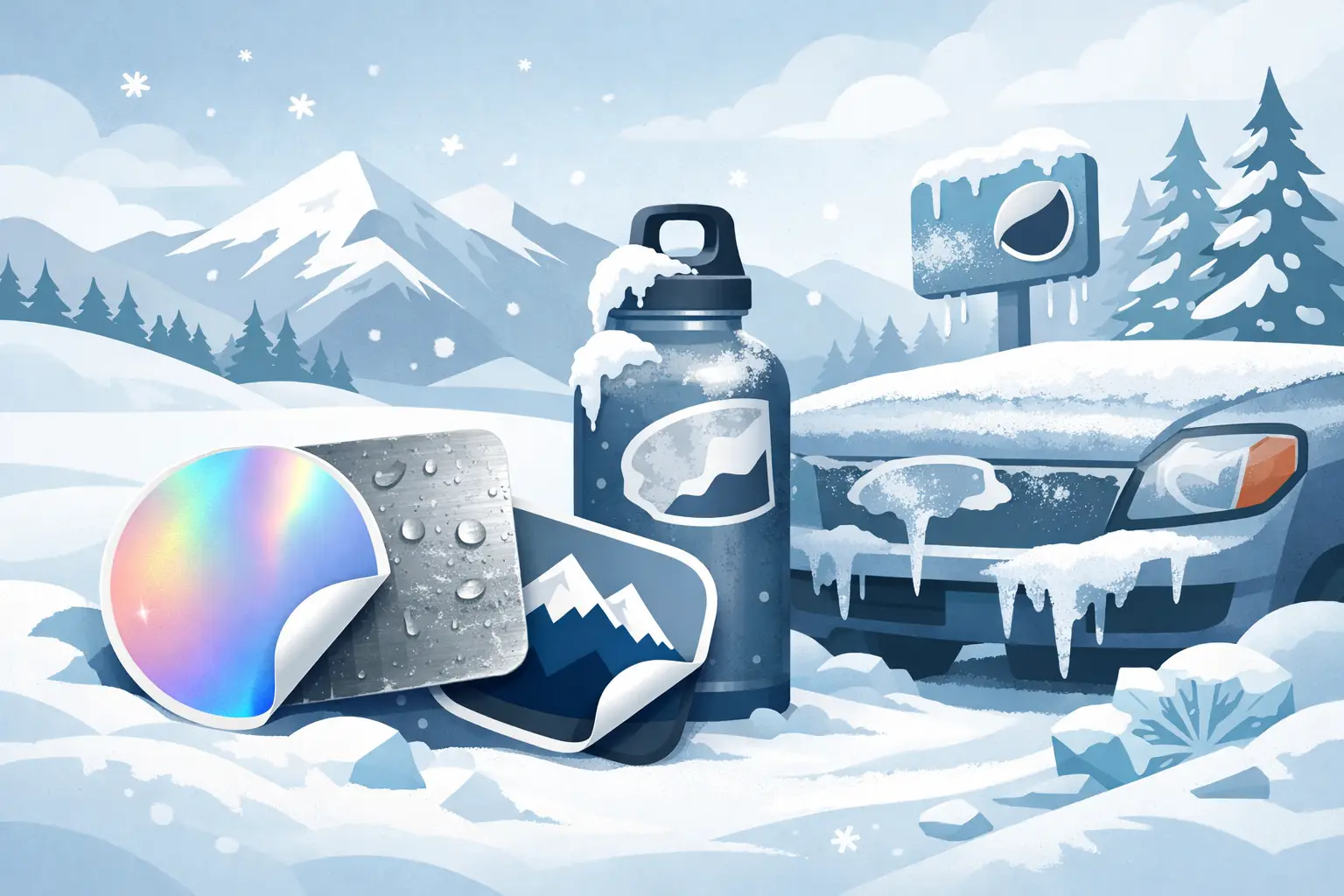
Cold weather exposes weak sticker materials fast. If you are asking which sticker material lasts in cold weather, the short answer is this: premium vinyl with a cold-resistant adhesive usually performs best, especially for automotive and outdoor use.
That said, material alone does not decide the result. In freezing conditions, the face stock, adhesive, surface, and application temperature all matter. A sticker that works fine in mild weather can fail early in winter if the adhesive turns brittle, the material shrinks, or the label was applied to a cold, damp surface.
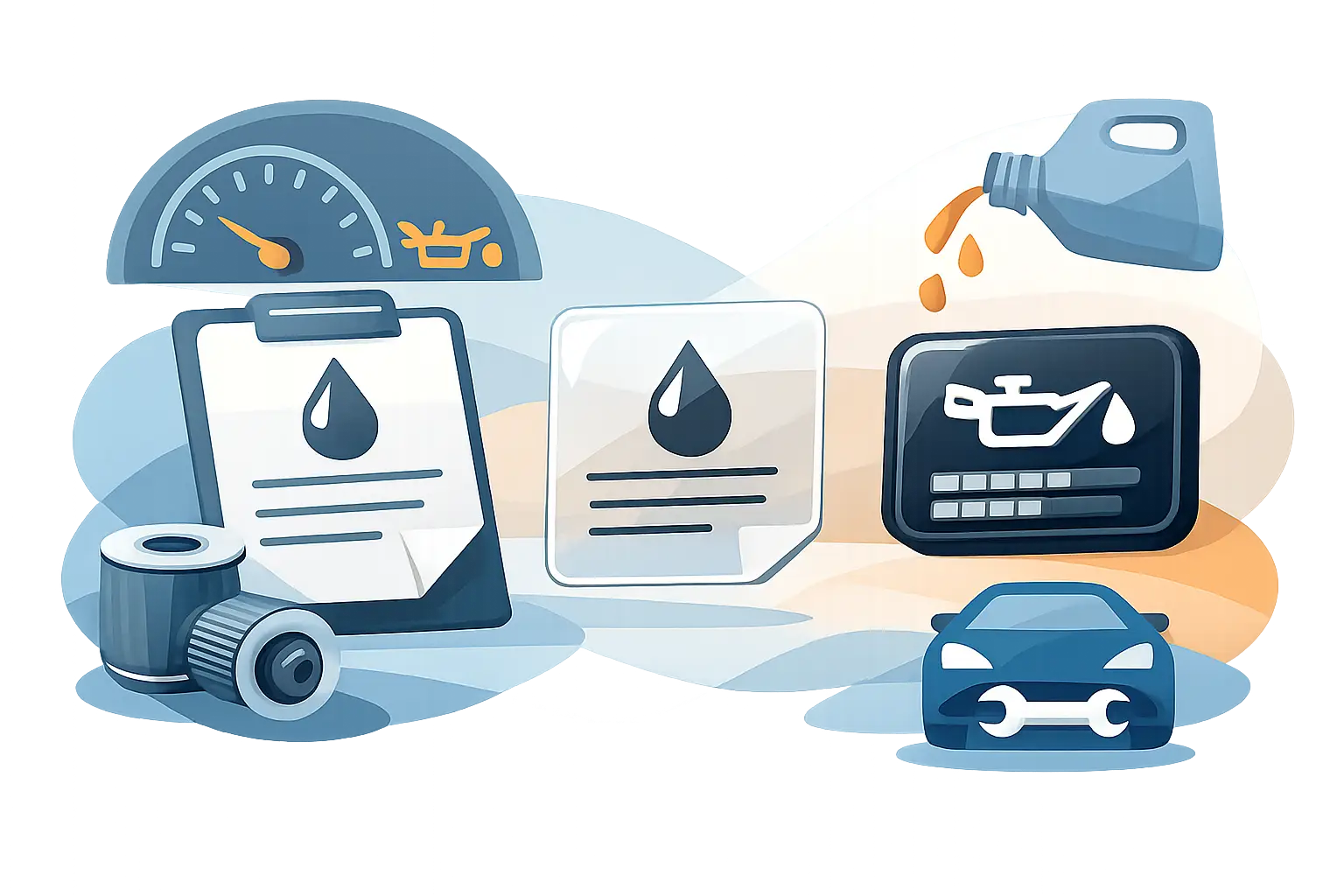
For repair shops, dealerships, tire centers, and detailing businesses, this matters because service reminder stickers are not decorative. They need to stay in place, remain readable, and support repeat business. If a reminder label curls, falls off, or smears after the first cold snap, it stops doing its job.
Which sticker material lasts in cold weather best?
For most professional applications, vinyl is the strongest choice in cold weather. It stays more flexible than paper, handles moisture better, and resists cracking when temperatures drop. That flexibility is a major advantage on vehicle glass, plastic containers, shop equipment, and outdoor-facing surfaces.
Paper labels are usually the first material to struggle in winter conditions. Even when the print looks fine at first, paper can absorb moisture, weaken at the edges, and break down faster with repeated temperature swings. For indoor use in a climate-controlled setting, paper can still be cost-effective. For anything exposed to cold air, condensation, snow, or road moisture, vinyl is the safer option.
Polyester can also perform well, particularly when you need a very stable, durable film. It is often used in industrial label applications where chemical resistance and dimensional stability matter. But for many everyday shop uses, vinyl gives a better balance of durability, flexibility, and value.
The real answer, then, is not just vinyl. It is outdoor-grade vinyl paired with the right adhesive.
Cold weather performance depends on the adhesive too
A lot of sticker failures get blamed on the material when the adhesive is the real problem. Cold weather changes how adhesive behaves. Some adhesives become too firm to bond well. Others lose tack over time after exposure to freezing temperatures.
There are two separate questions to think about. The first is service temperature, which means the temperatures the sticker can handle after it has fully bonded. The second is application temperature, which means the temperature range needed when the label is first applied.
This distinction matters in automotive environments. A label may be rated to survive freezing temperatures once installed, but still fail if someone applies it to a cold windshield on the lot in the middle of winter. The adhesive needs enough warmth and surface contact to wet out properly. If it does not, the bond starts weak and usually stays weak.
Permanent acrylic adhesives are often a strong choice for cold-weather durability because they hold up well against moisture, UV exposure, and temperature changes. Rubber-based adhesives can offer aggressive initial tack, but their long-term weathering performance may vary depending on the product. For professional reminder labels, consistency over time is usually more important than a quick stick in the moment.
Application temperature matters more than many buyers expect
If your shop applies reminder stickers indoors to clean, dry glass, you already improve the odds of a long-lasting result. If labels are being applied outside in freezing air, even a good material can disappoint.
The surface should be above the manufacturer’s minimum application temperature, clean of silicone and residue, and dry. Condensation is a common problem in winter. Glass can look clear while still holding a thin moisture layer that interferes with adhesion.
In practical terms, if a sticker is going onto a vehicle window, applying it after the vehicle has warmed inside the shop is better than applying it right after it comes in from the cold.
Best materials for different cold-weather uses
Not every sticker has the same job. A service reminder on inside glass has different demands than a label placed on a tire storage bag, a parts bin, or an outdoor sign panel.
For windshield and window reminder stickers
Vinyl is typically the best material when cold-weather reliability matters. It conforms well, handles temperature swings, and keeps a cleaner appearance over time. If the sticker is going on interior glass, you still want an adhesive that can tolerate seasonal changes, especially in northern climates where cabin temperatures can fluctuate sharply.
For writable reminder stickers, the finish matters too. A stock designed to accept pen or marker without smearing is important. A durable face stock is not enough if the written service date or mileage becomes unreadable.
For outdoor equipment and utility labels
Outdoor-grade vinyl or polyester is usually the right move. These materials offer better resistance to water, abrasion, and freeze-thaw cycling than standard paper labels. If the label will face direct weather, choosing a film material is less about preference and more about avoiding replacement costs.
For temporary indoor use
Paper may still be acceptable if the label stays inside a dry, temperature-controlled environment and low cost is the priority. But it is a trade-off. You save upfront, but you give up durability.
What usually causes stickers to fail in winter
Winter failures tend to be practical, not mysterious. The label was applied to a dirty surface, installed too cold, made from the wrong stock, or matched with an adhesive that was never intended for the environment.
Edge lift is one of the first warning signs. Once the corners start lifting, moisture and dirt work their way underneath. From there, full failure happens quickly. Brittle face stock is another issue. Materials that lose flexibility in cold weather can crack or show stress, especially on curved or slightly textured surfaces.
Temperature cycling is hard on low-grade products. A sticker might survive one cold day, but repeated movement between freezing outdoor temperatures and heated indoor conditions can expose shrinkage, adhesive failure, or print wear.
That is why buying on price alone often costs more in the long run. In repeat-use business applications, consistency matters. If your team applies the same type of reminder label every day, you want a material that behaves predictably across seasons.
Which sticker material lasts in cold weather for automotive shops?
For most automotive service businesses, a quality vinyl stock with a permanent adhesive is the most dependable option. It offers the right mix of flexibility, weather resistance, and clean presentation for reminder labels and operational stickers used around vehicles.
This is especially important if your business relies on service stickers to bring customers back. An oil change reminder or tire service label is a small item, but it supports customer retention. If that sticker peels off after a few weeks of winter weather, the message is gone before the next visit is due.
Shops also need materials that work well in real conditions, not just on a product sheet. Vehicles come in wet, cold, dusty, or covered in road film. Staff members are busy. The best sticker material is one that gives you some margin for error while still delivering a professional result.
That is one reason many trade buyers prefer suppliers who understand automotive applications instead of offering only general-purpose label options. A specialized supplier is more likely to stock materials chosen for repeat operational use, not just shelf appeal.
How to choose the right cold-weather sticker stock
Start with the use case. Ask where the sticker will go, how long it needs to last, and whether it will be applied indoors or outdoors. Then look at the material and adhesive together, not separately.
If the label needs to last through winter on a vehicle, choose vinyl over paper. If it needs extra resistance to chemicals or abrasion, review polyester options. If application happens in colder conditions, confirm the adhesive is suitable for that temperature range.
It also helps to think about print and usability. A reminder sticker has to stay legible. If your staff writes service dates, mileage, or tire information by hand, the surface should accept writing cleanly. Durability is not only about staying stuck. It is also about keeping the message clear.
For businesses that reorder regularly, consistency across batches is worth paying attention to as well. A dependable supplier should provide material quality you can count on season after season. StickerPlanet Canada focuses on practical, repeat-use products for shops that need that kind of reliability.
The best cold-weather sticker is the one that still looks professional and stays in place when winter is doing its worst. For most shops, that means choosing a high-quality vinyl label with an adhesive built for real-world temperature swings, then applying it on a clean, dry surface at the right temperature. That small decision can make your reminders last longer, look better, and keep working until the customer is ready to come back.